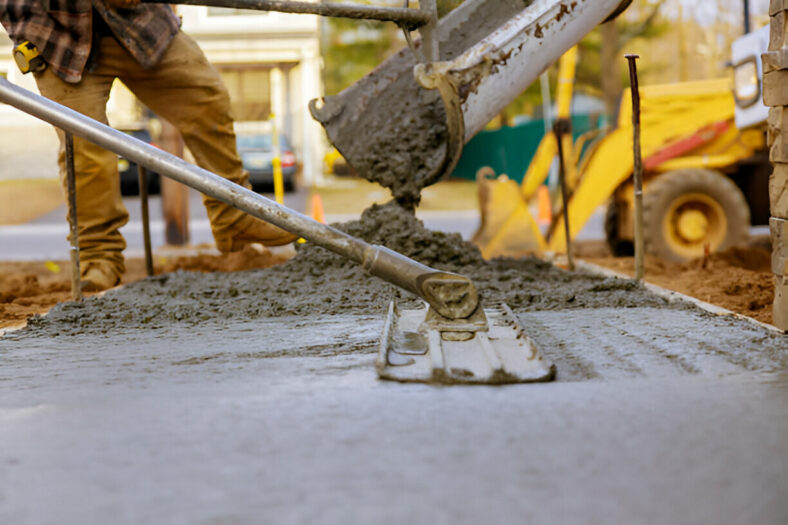
7 Questions to Ask Before Hiring a Masonry Contractor in Tyler

Hiring a masonry contractor in Tyler, Texas, is about more than finding someone who can lay bricks or pour mortar — it’s about protecting one of the biggest investments you’ll ever make: your home or commercial property. Quality masonry work can last for decades, but poor workmanship can lead to crumbling mortar, water damage, and costly repairs within just a few years. That’s why the questions you ask before signing a contract matter just as much as the price on the quote.

Tyler’s unique climate, with its hot, humid summers and occasional freezes, puts extra stress on masonry materials, making skilled local experience essential. Asking the right questions upfront helps you separate true professionals from fly-by-night operators who may disappear after taking your deposit. Here are seven questions every Tyler homeowner or business owner should ask before hiring a masonry contractor.

Are You Licensed and Insured?

In Texas, masonry contractors aren’t required to hold a state license, which makes verifying credentials even more important. Ask for proof of general liability insurance and workers’ compensation coverage, and don’t hesitate to call the insurance company to confirm the policy is active. 

Without proper insurance, you could be held financially responsible if a worker is injured on your property or if the work damages your home.

How Long Have You Been Working in the Tyler Area?

Experience in the local market matters more than general experience. A contractor who has spent years working in Tyler will understand how the region’s clay soil shifts with moisture changes and how East Texas humidity affects curing times for mortar and concrete. 

Ask for local references you can actually drive by and see, and pay attention to how the work has held up over time — not just how it looked on day one.

Can You Provide Written Estimates and a Detailed Contract?

A reputable contractor will always provide a written, itemized estimate before any work begins. Your estimate should break down costs for materials, labor, permits, and cleanup so you can compare bids fairly. 

Never accept a verbal quote or a vague one-line price — it leaves the door open for surprise charges once the project is underway.

What Materials and Techniques Do You Recommend?

The right contractor should be able to explain their material choices in plain English. Before committing, ask about:

  • Mortar type and mix: Different mortar mixes suit different applications, and the wrong one can cause premature cracking or spalling.
  • Brick or stone sourcing: Quality materials from established suppliers will outlast cheap alternatives by years.
  • Drainage and flashing details: Proper water management is critical in Tyler’s heavy-rain seasons.
  • Warranty coverage: Ask what’s covered, for how long, and whether the warranty is in writing.

What Is Your Timeline and Who Will Actually Do the Work?

A professional contractor should give you a realistic start date and completion window in writing. Equally important is knowing who will be on your property — will the owner supervise, or will the work be handed off to a subcontracted crew you’ve never met? 

Also ask how many projects they’re running simultaneously, because an overbooked contractor is a contractor who won’t finish on time.

Do You Handle Permits and Inspections?

Depending on the scope of your project, permits may be required by the City of Tyler or Smith County. A knowledgeable contractor will know which permits apply to your job and should be willing to pull them on your behalf. If a contractor suggests skipping permits to “save time and money,” consider it a serious red flag that could haunt you during a future home sale.

What Does Your Payment Schedule Look Like?

Legitimate contractors structure their payments to protect both parties throughout the project. Before signing anything, make sure you understand:

  • Deposit amount: Typically 10–30% to cover materials — never the full project cost upfront.
  • Progress payments: Some larger projects tie payments to completed milestones.
  • Final payment: The balance should be due only upon satisfactory completion of the work.
  • Payment method: Be wary of contractors demanding large cash payments with no paper trail.

Make the Smart Choice for Your Tyler Property

The right masonry contractor won’t just answer these seven questions — they’ll welcome them, because true professionals know that informed customers become satisfied, long-term customers. Take your time comparing estimates, checking references, and walking past completed local projects before making your decision.

Your home’s brickwork, stonework, or foundation repairs deserve craftsmanship that stands the test of time in East Texas conditions. By doing your homework now, you’ll avoid headaches, protect your investment, and enjoy masonry work that adds lasting beauty and value to your Tyler property for decades to come.

Learn more https://www.legacymasonrytyler.com/
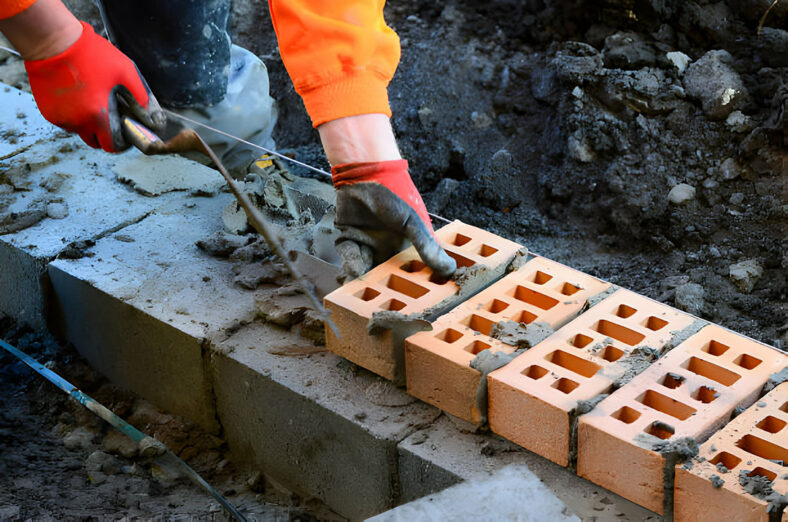
How Long Does Brick Masonry Last in Tyler, Texas?

Brick masonry is often advertised as a “100-year material,” and there’s real truth to that claim — but only when the work is done right and maintained properly. For homeowners and business owners in Tyler, Texas, understanding the actual lifespan of brickwork matters because it’s one of the biggest investments you’ll make in your property’s exterior.

The lifespan of brick masonry in Tyler depends on a mix of climate, craftsmanship, materials, and maintenance. Let’s break down what you can realistically expect and how to make your brickwork last as long as possible.

The Typical Lifespan of Brick Masonry

When built with quality materials and professional installation, brick masonry in Tyler can last 100 years or more — and many historic brick buildings across East Texas prove it. However, the individual components age differently: the brick itself may outlast the structure it supports, while the mortar joints typically need attention every 25 to 50 years.

How Tyler’s Climate Affects Brick Longevity

Tyler’s East Texas climate presents a unique set of challenges for masonry. Hot, humid summers accelerate moisture absorption, while occasional winter freezes cause trapped water to expand and crack the brick and mortar. 

The region’s expansive clay soil also shifts beneath foundations, which can stress brick veneer and lead to stair-step cracks over time.

Signs Your Brick Masonry Is Aging

Even durable brickwork shows warning signs as it ages, and catching them early saves money. Watch for these indicators:

  • Crumbling or missing mortar joints: This is the most common issue and usually calls for repointing.
  • Spalling or flaking brick faces: Often caused by freeze-thaw cycles or moisture trapped behind the wall.
  • Efflorescence: White, chalky deposits signal water moving through the masonry.
  • Cracks near windows, doors, and corners: These may indicate foundation movement or structural stress.
  • Bulging or leaning walls: A serious issue that requires immediate professional evaluation.

Maintenance That Extends the Life of Your Brickwork

Routine maintenance can easily add decades to the life of your brick masonry in Tyler. A proactive care routine includes:

  • Annual inspections: Walk your property each spring and fall to spot small problems before they grow.
  • Repointing mortar joints: Replacing deteriorated mortar restores structural integrity and keeps water out.
  • Cleaning carefully: Gentle pressure washing and appropriate cleaners prevent damage from dirt, mold, and pollutants.
  • Sealing where appropriate: A breathable masonry sealer can reduce water absorption without trapping moisture inside.
  • Managing drainage: Keep gutters, downspouts, and grading directed away from brick walls to minimize water exposure.

When to Repair vs. Replace

Not every sign of aging means your brickwork is at the end of its life — in most cases, targeted repairs are far more cost-effective than full replacement. If the bricks themselves are sound and the damage is limited to mortar joints or isolated sections, repointing and patching can restore the wall for decades more. 

Replacement typically becomes necessary only when bricks are severely spalled, walls are structurally compromised, or previous poor repairs have caused widespread damage.

Invest in Brickwork That Outlasts Generations

Brick masonry in Tyler, Texas, can genuinely last a century or longer — but only if it’s installed correctly and maintained with intention. The difference between brickwork that lasts 40 years and brickwork that lasts 100 often comes down to small, consistent habits like inspections, repointing, and proper drainage.

Whether you’re building new or caring for an older home, treating your brickwork as a long-term investment will protect your property’s value and beauty for generations. When in doubt, consult a local masonry professional who understands Tyler’s climate and can keep your brick standing strong for decades to come.

When Should You Seal Patios & Hardscapes in Tyler, Texas

A beautiful patio or hardscape is one of the most enjoyable investments you can make in your Tyler, Texas, home — but without proper sealing, that investment can deteriorate surprisingly fast. Sealant acts as a protective barrier against moisture, stains, UV damage, and the everyday wear of foot traffic and weather.

Knowing when to seal (and reseal) your patios, walkways, and driveways can mean the difference between hardscapes that last decades and surfaces that crack, stain, and fade within a few years. Here’s what every Tyler homeowner should know about sealing hardscapes.

Why Sealing Matters in East Texas

Tyler’s climate is particularly hard on hardscape surfaces. The region’s high humidity, heavy spring rains, and intense summer sun create a constant cycle of moisture absorption, expansion, and UV exposure that breaks down unprotected concrete, pavers, and natural stone. 

Sealing closes the pores of the surface, repels water, blocks stains, and slows the fading and deterioration caused by East Texas weather.

When to Seal a New Patio or Hardscape

If you’ve just installed a new patio or paver surface, timing your first seal is critical. Most concrete and paver surfaces need time to cure before sealant is applied — typically 28 to 90 days depending on the material and weather conditions. 

Sealing too early can trap moisture and cause discoloration or a cloudy finish, so always follow the manufacturer’s or installer’s recommendations.

The Best Times of Year to Seal in Tyler

In East Texas, timing your sealing project around the weather makes all the difference. Ideal sealing conditions include:

  • Mild, dry stretches: Spring and fall typically offer the most stable temperatures and lower humidity in Tyler.
  • Temperature between 50°F and 90°F: Most sealants cure poorly in extreme heat or cold.
  • At least 24–48 hours of dry weather: Rain during or shortly after application can ruin the finish.
  • Avoiding peak summer: Mid-summer heat in Tyler can cause sealant to dry too quickly and unevenly.

How Often Should You Reseal?

Sealing isn’t a one-and-done task — it’s ongoing maintenance that keeps your hardscapes protected year after year. The resealing schedule depends on your surface type and traffic level:

  • Concrete patios: Every 2–3 years for standard use; every 1–2 years for driveways or high-traffic areas.
  • Paver patios: Every 2–3 years, or whenever the surface starts absorbing water instead of beading it.
  • Natural stone: Every 1–3 years depending on the stone’s porosity and exposure.
  • A simple water test: Sprinkle water on the surface — if it soaks in instead of beading up, it’s time to reseal.

Signs Your Hardscape Needs Sealing Now

Your hardscape will often tell you when it’s overdue for sealant — you just have to know what to look for. Fading color, darkened or blotchy areas after rain, and visible staining from leaves, grease, or soil are all signs that the surface is no longer protected. 

Cracking, flaking, or pitting are more serious indicators that moisture has already begun damaging the material beneath the surface.

Protect Your Outdoor Investment Before It’s Too Late

Sealing your patios and hardscapes is one of the most cost-effective ways to preserve your outdoor living spaces in Tyler’s demanding climate. A properly sealed surface resists stains, repels water, and maintains its color and structural integrity for years longer than an unsealed one.

Don’t wait until you see damage to take action. By sealing at the right time — and resealing on a consistent schedule — you’ll keep your hardscapes looking beautiful and performing well for decades. When in doubt, reach out to a local hardscape professional who knows Tyler’s climate and can recommend the right products and timing for your surfaces.

IMBAJP