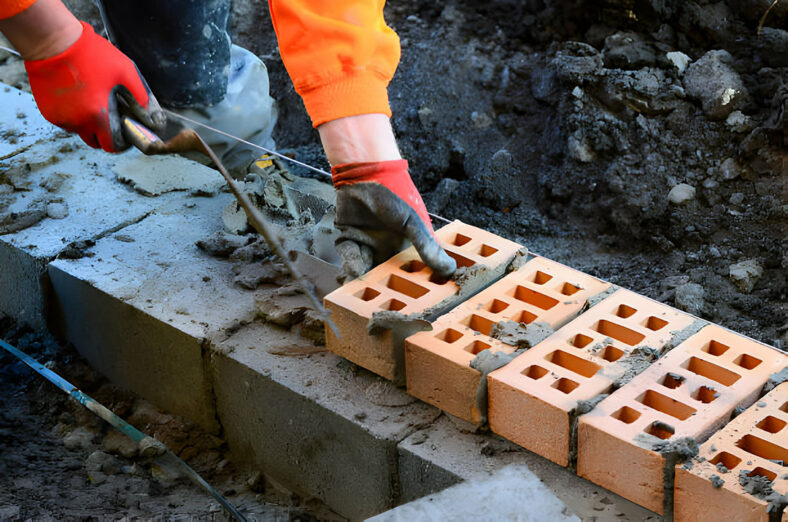
Brick masonry is often advertised as a “100-year material,” and there’s real truth to that claim — but only when the work is done right and maintained properly. For homeowners and business owners in Tyler, Texas, understanding the actual lifespan of brickwork matters because it’s one of the biggest investments you’ll make in your property’s exterior.
The lifespan of brick masonry in Tyler depends on a mix of climate, craftsmanship, materials, and maintenance. Let’s break down what you can realistically expect and how to make your brickwork last as long as possible.
The Typical Lifespan of Brick Masonry
When built with quality materials and professional installation, brick masonry in Tyler can last 100 years or more — and many historic brick buildings across East Texas prove it. However, the individual components age differently: the brick itself may outlast the structure it supports, while the mortar joints typically need attention every 25 to 50 years.
How Tyler’s Climate Affects Brick Longevity
Tyler’s East Texas climate presents a unique set of challenges for masonry. Hot, humid summers accelerate moisture absorption, while occasional winter freezes cause trapped water to expand and crack the brick and mortar.
The region’s expansive clay soil also shifts beneath foundations, which can stress brick veneer and lead to stair-step cracks over time.
Signs Your Brick Masonry Is Aging
Even durable brickwork shows warning signs as it ages, and catching them early saves money. Watch for these indicators:
- Crumbling or missing mortar joints: This is the most common issue and usually calls for repointing.
- Spalling or flaking brick faces: Often caused by freeze-thaw cycles or moisture trapped behind the wall.
- Efflorescence: White, chalky deposits signal water moving through the masonry.
- Cracks near windows, doors, and corners: These may indicate foundation movement or structural stress.
- Bulging or leaning walls: A serious issue that requires immediate professional evaluation.
Maintenance That Extends the Life of Your Brickwork
Routine maintenance can easily add decades to the life of your brick masonry in Tyler. A proactive care routine includes:
- Annual inspections: Walk your property each spring and fall to spot small problems before they grow.
- Repointing mortar joints: Replacing deteriorated mortar restores structural integrity and keeps water out.
- Cleaning carefully: Gentle pressure washing and appropriate cleaners prevent damage from dirt, mold, and pollutants.
- Sealing where appropriate: A breathable masonry sealer can reduce water absorption without trapping moisture inside.
- Managing drainage: Keep gutters, downspouts, and grading directed away from brick walls to minimize water exposure.
When to Repair vs. Replace
Not every sign of aging means your brickwork is at the end of its life — in most cases, targeted repairs are far more cost-effective than full replacement. If the bricks themselves are sound and the damage is limited to mortar joints or isolated sections, repointing and patching can restore the wall for decades more.
Replacement typically becomes necessary only when bricks are severely spalled, walls are structurally compromised, or previous poor repairs have caused widespread damage.
Invest in Brickwork That Outlasts Generations
Brick masonry in Tyler, Texas, can genuinely last a century or longer — but only if it’s installed correctly and maintained with intention. The difference between brickwork that lasts 40 years and brickwork that lasts 100 often comes down to small, consistent habits like inspections, repointing, and proper drainage.
Whether you’re building new or caring for an older home, treating your brickwork as a long-term investment will protect your property’s value and beauty for generations. When in doubt, consult a local masonry professional who understands Tyler’s climate and can keep your brick standing strong for decades to come.